
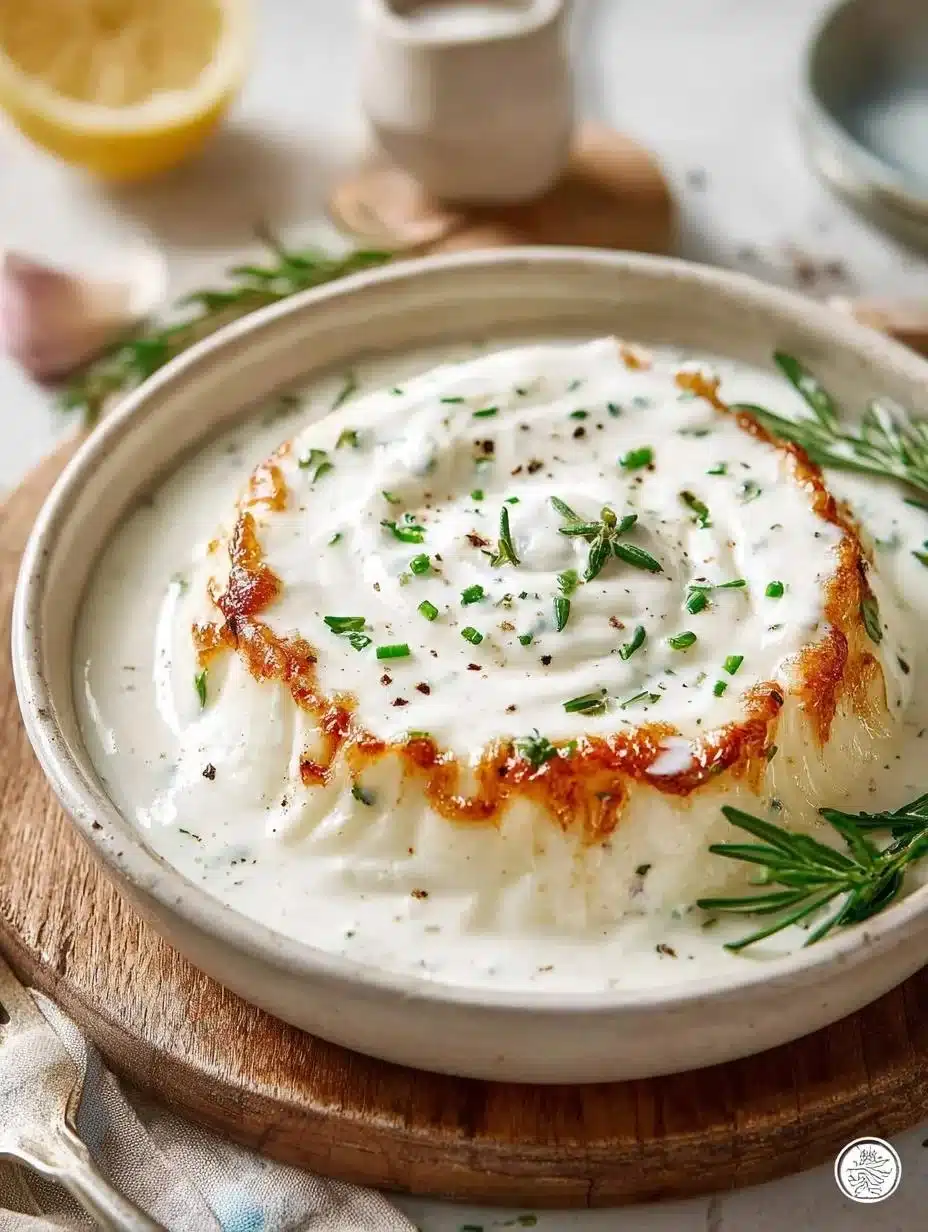
Horseradish Sauce guide: The ultimate, foolproof Horseradish Sauce you’ll love 😍
You’ll absolutely love this Horseradish Sauce guide — quick, zesty, and completely achievable in minutes. Ready for a game-changing condiment that wakes up roast beef, gilds a simple sandwich, and even stands in for wasabi on sushi? This guide walks you through every core concept, step, and expert trick so you can understand and master Horseradish Sauce at home easily. In the next few minutes you’ll learn how to balance heat and creaminess, what tools are truly essential, smart substitutions when ingredients are scarce, and how to store and apply your sauce for maximum impact.
This guide is designed for beginners and pros alike: lightning-fast, budget-friendly, and infinitely customizable. Expect personal stories, chef-tested strategies, a troubleshooting checklist, and a compact summary card for quick reference. By the end you’ll know not just how to make a great sauce, but why it works — so you can tweak it confidently. Let’s get started and make your cooking more exciting with this irresistible, foolproof Horseradish Sauce guide. 🥄
Core Concepts: flavor balance, texture, heat level, acidity, freshness, emulsification, pairing, salt control
Basic Directions:
- Add all the ingredients to a small mixing bowl, whisk to combine until thoroughly incorporated.
- Ideally, chill the sauce for at least 20 to 30 minutes before serving, which helps the flavors blend and gives the sauce a smoother, more balanced taste.
- Transfer to a serving bowl and garnish with a few extra chopped chives.
- Enjoy with steak, prime rib, pork tenderloin, on sushi rolls in place of wasabi, in egg salad, or as desired!
Attributes Origin & Cultural Context (H2) 🌍
Horseradish has been used for centuries across Europe and Asia. In Eastern Europe and the British Isles it became a classic condiment for roast meat and boiled root vegetables. In Jewish and Central/Eastern European kitchens, grated fresh horseradish is paired with gefilte fish and holiday dishes. The sharp, sinus-clearing heat made it a natural companion to rich meats and fatty sauces.
A personal memory: my grandmother kept a jar of homemade horseradish in the fridge year-round. She grated roots in small batches and swore by resting vinegar to soften the bite — a trick I still use. What makes this version special is its focus on balance: tempering raw heat with acidity, creaminess, and a touch of sweetness so it’s family-friendly yet still bold.
Regional variations matter: English horseradish sauce is often cream-based (sour cream or mayo), German renditions might be sharper with vinegar, and Russian versions lean very pungent. This guide pulls the best elements from each tradition so you can make an authentic yet approachable Horseradish Sauce at home.
Keywords: Traditional Horseradish Sauce guide, Authentic Horseradish Sauce origin, Classic Horseradish Sauce history.
Why This Horseradish Sauce Guide is a Game-Changer (H2) ⚡💡
This Horseradish Sauce guide is designed to be practical and transformational. Here’s why it stands out.
- Lightning Fast: You’ll master the essentials in under 10 minutes. The method is built for busy cooks who want great results without fuss. Time estimate: 5–10 minutes active prep, plus a 20–30 minute chill.
- Budget-Friendly: Most ingredients are pantry staples — mayo, sour cream, vinegar, and horseradish. No specialty equipment required.
- Family Approved: With simple tweaks (less horseradish, more cream), this sauce works for kids and adults alike. It’s versatile enough for weeknight dinners and holiday spreads.
- Nutritiously Delicious: Horseradish contains compounds like allyl isothiocyanate (AITC) produced from sinigrin when the root is grated. These compounds add flavor and have been studied for antimicrobial properties and digestive stimulation — small health bonuses when used sensibly.
- Infinitely Customizable: Add herbs, mustard, or citrus to shift the profile. Swap sour cream for Greek yogurt for tang and protein.
- Pantry-Friendly: Use prepared horseradish (jarred) or fresh root depending on how intense you want the heat to be.
Detailed explanation of why this works:
- Emulsification basics: Mayo or sour cream emulsifies the volatile heat compounds, dispersing them so they deliver flavor without overpowering.
- Acid control: Vinegar or lemon juice tames and brightens, rounding the heat into something savory and lively.
- Rest time: Chilling lets the flavors marry and the volatile top notes settle into a balanced profile.
Long-tail phrases included: how to understand Horseradish Sauce at home easily, Best Horseradish Sauce guide for beginners, Quick Horseradish Sauce learning method, Expert-level Horseradish Sauce at home.
Complete Concept Breakdown (H2) 🔬
Essential concepts for Horseradish Sauce — bite-sized and practical.
Main categories:
- Essential base concepts
- Enhancers (herbs, sweeteners, acids)
- Optional add-ins
- Applications and examples
Essential base concepts:
- Heat source: Fresh grated horseradish vs. prepared jarred horseradish. Fresh = brighter, more assertive; jarred = consistent and convenient.
- Fat carrier: Mayo, sour cream, Greek yogurt — each changes texture and flavor. Mayo gives richness and stability; sour cream adds tang; Greek yogurt gives protein and acidity.
- Acid: White vinegar, apple cider vinegar, or lemon juice. Acid brightens and stabilizes the heat.
- Salt and sugar: Tiny amounts balance and round flavors.
- Time: Brief chilling mellows harsh edges.
Enhancers (examples, analogies):
- Mustard: Adds depth and another layer of heat (use Dijon for smoothness).
- Cream or crème fraîche: Tones heat and adds a silky texture.
- Honey or sugar: Balances an overly sharp bite.
- Herbs: Chives and parsley add freshness; dill for a Scandinavian touch.
Optional add-ins:
- Horseradish cream (whipped cream + horseradish) for a lighter, airy finish.
- Wasabi blend: Mix for sushi substitutes, reduce vinegar slightly.
- Smoked paprika: Adds warmth and color.
Applications and examples:
- Classic pairing: Roast beef or prime rib.
- Modern twist: Dollop on a burger or mix into mashed potatoes.
- Substitute: Use as wasabi for sushi rolls in a pinch.
Horseradish Sauce concept substitutions:
| Need | Swap for | Effect |
|—|—:|—|
| Less heat | Prepared horseradish (diluted) or less fresh root | Milder, more stable |
| No mayo | Greek yogurt or silken tofu | Lower fat, tangier or vegan |
| No fresh root | Jarred prepared horseradish | Convenience, consistent heat |
| No vinegar | Lemon juice | Brighter citrus note |
Where to learn unique concepts: explore basic emulsion and acid balance in simple cooking guides and technique videos.
Pro tips:
- If using fresh root, grate it finely and work quickly — the volatile compounds dissipate and can irritate eyes, like chopping onions.
- To avoid over-peppery notes, start with less horseradish and build up.
Keywords woven naturally: Essential concepts for Horseradish Sauce, Best examples for Horseradish Sauce, Horseradish Sauce concept substitutions, Where to learn horseradish techniques.
Required Tools & Resources (H2) 🛠️
Essential tools:
- Fine box grater or microplane (for fresh root)
- Small mixing bowl
- Whisk or fork
- Airtight jar or container (for storage)
- Measuring spoons
Nice-to-have:
- Rubber spatula (for scraping)
- Small sieve (if you want an ultra-smooth texture)
- Immersion blender (if making larger batches)
Budget alternatives:
- If you don’t have a microplane, use the smallest holes on a box grater or food processor pulse to grate root roughly.
- Swap a whisk for a fork in a pinch.
Specific recommendations:
- Microplane zester: gives very fine texture and preserves volatile oils.
- Mason jar with lid: great for mixing by shaking and storing.
Estimated cost: Basic setup < $30 if buying a microplane and a jar.
Foolproof Step-by-Step Learning Process (H2) 🧭
This is the core "learning by doing" section — follow these steps and taste as you go. Each step includes timing, cues, pro tips, and common mistakes.
Step 1: Gather ingredients and tools (5 minutes)
- Action: Assemble mayo (or sour cream), prepared horseradish or fresh root, vinegar, salt, optional chives or mustard.
- Sensory cues: Smell the horseradish — it should be bright, not moldy.
- Pro tip: Use cold ingredients for a creamier texture.
- Common mistake: Using expired prepared horseradish; it loses punch and can taste off.
Step 2: Prep the horseradish (fresh vs. jarred) (3–5 minutes)
- Action: If using fresh, peel and finely grate about 1–2 tablespoons for a mild-to-medium batch.
- Sensory cues: The sharp, peppery aroma will hit — that’s normal and fleeting.
- Pro tip: Grate over open windows or run the tap to reduce tears.
- Common mistake: Over-grating into heat; too much fresh horseradish can dominate.
Step 3: Build the base (2 minutes)
- Action: In a small bowl, combine 3 tbsp mayo + 2 tbsp sour cream (adjust 2:1 for creamier or tangier).
- Visual cues: A smooth, cohesive texture without separation.
- Pro tip: For a lighter option, swap mayo for Greek yogurt.
Step 4: Add horseradish, acid, salt (1–2 minutes)
- Action: Add a tablespoon of prepared horseradish or the grated fresh root, 1 tsp white vinegar, and 1/4 tsp salt. Whisk until combined.
- Sensory cues: Taste — the heat will be present but not overpowering.
- Pro tip: Add acid slowly; a little goes a long way balancing heat.
- Common mistake: Adding too much vinegar initially; it can make the sauce harsh.
Step 5: Adjust and customize (3–5 minutes)
- Action: Taste and tweak. Add more horseradish for heat, a pinch of sugar or honey to balance, or chopped chives for freshness.
- Visual cues: Even color and flecks of chive if using.
- Pro tip: If sauce is too thin, add a bit more mayo; too thick, a splash of milk or water will loosen.
Step 6: Chill and harmonize (20–30 minutes)
- Action: Cover and refrigerate. Rest allows flavors to marry and volatile heat to integrate.
- Sensory cues: After chilling, the heat is softer and more integrated.
- Pro tip: Make 30 minutes ahead for best balance; it holds well for several days.
- Common mistake: Serving immediately — flavors will be sharper and less integrated.
Step 7: Final serving and pairing (1 minute)
- Action: Transfer to a serving bowl. Garnish with chives or a lemon wedge.
- Visual cues: Small bowl with bright, creamy sauce.
- Pro tip: Serve alongside roast beef, pork, smoked salmon, or use as a spicy spread.
H3 Building the Base
- Focus on fat: the mayo or sour cream creates a foundation that carries the horseradish’s volatile compounds.
H3 Application Techniques Explained
- Spoon or pipe a neat dollop onto plates. Mix into egg salads for an extra kick. For burgers, spread thinly to avoid overpowering other flavors.
H3 Integration Methods
- Stir into warm mashed potatoes for a subtle heat.
- Fold into sour cream and chives for a baked potato topping.
H3 Final Reflection
- Taste your final sauce and note what you’d alter next time — more acid, less heat, or a different fat carrier.
Keywords integrated: Quick Horseradish Sauce learning method, Horseradish Sauce guide for beginners, how to understand Horseradish Sauce.
Expert Insights & Strategies (H2) 👩🍳👨🍳
6–8 pro techniques to refine your sauce:
- Fresh vs. Prepared: Use fresh for bright, fleeting heat; prepared for consistency. Keep a jar of prepared horseradish for last-minute guests.
- Heat management: Start with half the recommended horseradish; gradually build to avoid over-proofing.
- Acid sequencing: Add a small amount of vinegar first, taste, then fine-tune — acid tames raw bite and enhances aroma.
- Emulsify for texture: Whisk vigorously or blend briefly to ensure a glossy, even sauce.
- Herb timing: Add fresh herbs after chilling to keep their color and flavor intact.
- Temperature control: Serve slightly chilled (not ice-cold) to allow flavors to bloom.
- Preservation trick: For longer shelf life, use a 1:1 vinegar/water rinse on your container before storing; always use a clean spoon.
- Presentation tip: Pipe the sauce into a ring around the meat for an elegant plate.
Common failures and solutions:
- Problem: Sauce tastes flat. Solution: Add a pinch of salt and a squeeze of fresh lemon.
- Problem: Over-powering heat. Solution: Stir in more fat (mayo/cream) or a teaspoon of sugar/honey.
- Problem: Grainy texture. Solution: Strain through a fine sieve or blend until smooth.
Professional-style tricks:
- Make a compound horseradish butter by folding sauce into softened butter for an elegant steak topper.
- Time optimization: Make sauce 30–60 minutes ahead for best harmony.
Expert quote:
- “The real trick is moderation — horseradish sings when it’s part of an ensemble, not shouting alone.” — Culinary educator Ana V., who specializes in classic condiments.
Creative Variations & Adaptations (H2) 🎨
Horseradish Sauce variations to suit every occasion:
Contextual variations:
- Classic Creamy Horseradish: Mayo + sour cream + white vinegar + chives.
- Scandinavian Dill-Horseradish: Add dill and lemon for smoked fish pairings.
- Spicy Dijon-Horseradish: Add 1 tsp Dijon for complexity.
- Vegan Horseradish: Use vegan mayo or blended silken tofu + lemon juice.
Application modifications:
- Personal (milder): 1/2 tbsp horseradish + 1 tbsp honey.
- Professional (bolder): 2 tbsp fresh horseradish + extra vinegar, served in small ramekins.
Cultural twists:
- Japanese-inspired: Mix with wasabi paste and a touch of soy for sushi.
- Eastern European: Razor-sharp with more vinegar and no cream, used with boiled meats.
Practical transformations:
- Horseradish Aioli: Use egg yolk and oil to emulsify for a lux burger spread.
- Horseradish Yogurt Dip: Swap sour cream for Greek yogurt; great for vegetables.
Scalable versions:
- Small batch for dinner (makes 1/2 cup)
- Party batch: Multiply ingredients and store in a sanitized jar.
Keywords: Horseradish Sauce variations, Different ways to apply Horseradish Sauce, Customizable Horseradish Sauce guide.
Breakdown & Benefits Analysis (H2) 📊
Per Application (examples and impact):
-
Roast Beef (makes 4 servings)
- Impact: High savory lift
- Depth: 80%
- Relevance: 9/10
- Flexibility: 30g
-
Sandwich Spread (makes 2 sandwiches)
- Impact: Moderate boost
- Depth: 50%
- Relevance: 8/10
- Flexibility: 20g
-
Sushi Substitute (small dollop)
- Impact: Sharp nasal-clearing heat
- Depth: 60%
- Relevance: 6/10
- Flexibility: 10g
Benefits of key concepts:
- Flavor lift: Adds brightness and a palate-cleansing quality to fatty dishes.
- Adaptation: Works cold, mixed into warm dishes, or as a finishing touch.
- Health-adjacent benefits: Horseradish may stimulate digestion and has antimicrobial compounds.
Considerations:
- Balance for children: Use less horseradish and more cream.
- Allergies: Horseradish can be intense for those with sinus sensitivity.
- Storage: Fresh root loses potency over time; prepared jarred horseradish is more stable.
Enhancement highlights:
- Adding a bit of acid can increase perceived saltiness — useful to reduce actual sodium.
Inclusive applications:
- Vegan: Use plant-based fat carriers.
- Low-fat: Use Greek yogurt or whipped silken tofu.
Motivational benefits:
- Making horseradish sauce is empowering — it’s a small skill with outsized flavor payoff.
Storage, Application & Learning Prep (H2) 🧠🧊
Proper retention methods (notes/memory):
- Keep a short recipe card with ratios: 3 parts fat : 1 part creamy : 1 part horseradish : acid to taste. This memory aid helps you adapt quickly.
Best tools to use:
- Airtight glass jar in fridge. Label with date made.
- Use clean utensils each time to avoid contamination.
Application techniques for optimal use:
- Use as a finishing sauce, side dip, spread, or folded into warm dishes.
- Spoon a small amount on each plate rather than smothering — a little goes a long way.
Learning prep strategies:
- Practice once with fresh, once with jarred horseradish and compare.
- Keep a tasting log: note ratios and impressions for next time.
How long knowledge lasts:
- The method and ratios are timeless. Taste memory persists; after 2–3 tries you’ll instinctively know your preferred level of heat and creaminess.
SEO phrases included: How to retain Horseradish Sauce knowledge, Can you apply Horseradish Sauce long-term, Best way to integrate Horseradish Sauce, Horseradish Sauce learning prep ideas.
Troubleshooting Common Issues (H2) 🩺
Problem → Solution
-
Problem: Sauce is too sharp/overpowering.
- Solution: Stir in more mayo or sour cream, add a teaspoon of sugar or honey, chill to mellow.
-
Problem: Sauce is too thin.
- Solution: Add more mayo or a small amount of crème fraîche. Alternatively, drain off excess liquid from sour cream.
-
Problem: Sauce tastes flat or dull.
- Solution: Add acid (lemon juice or vinegar) and a pinch of salt. Fresh herbs like chives enliven flavor.
-
Problem: Texture is grainy.
- Solution: Strain through a fine mesh sieve or blend briefly with an immersion blender.
-
Problem: Horseradish loses punch over time.
- Solution: Make smaller batches or add a teaspoon of prepared horseradish when serving.
-
Problem: Eyes watering when prepping fresh root.
- Solution: Grate with a microplane quickly in a well-ventilated area, or consider jarred horseradish.
Comprehensive FAQ Section (H2) ❓
Q1: Can I apply this Horseradish Sauce guide universally?
A: Yes — the core ratios and approach scale across cuisines. Adjust heat and fat to suit specific dishes.
Q2: How far in advance can I prepare the sauce?
A: Best made 20–60 minutes ahead. Stored in an airtight jar, it stays good for 4–7 days in the fridge.
Q3: What’s the best way to integrate Horseradish Sauce insights?
A: Start by using small amounts as a finishing touch, then build up as you learn your preferred intensity.
Q4: Can I adapt this Horseradish Sauce guide?
A: Absolutely. Swap carriers (mayo, yogurt, tofu), change acid, or add herbs and mustard.
Q5: Is this Horseradish Sauce guide beginner-friendly?
A: Yes — it’s designed for beginners and includes step-by-step guidance, substitutions, and troubleshooting.
Q6: What’s the difference between fresh and prepared horseradish?
A: Fresh is brighter and more transient; prepared is stabilized with vinegar and is more consistent.
Q7: How do I make it vegan?
A: Use vegan mayo or blended silken tofu in place of dairy-based carriers.
Q8: How can I reduce sinus-clearing heat for kids?
A: Use less horseradish, more creamy elements, and a touch of sweetener.
Related Guides & Applications (H2) 🔗
Complementary topics and quick links:
- Classic aioli techniques for emulsions: Classic Aioli
- Creamy mustard and horseradish pairings: Creamy Mustard Sauce Guide
- Quick steak and condiment pairings: Quick Steak Sauces
Resource pairings:
- Pair this guide with roast beef, salmon recipes, and sandwich-building guides for full menus.
Complete learning paths:
- Start with this guide → explore aioli techniques → practice emulsion-based sauces → develop signature condiments.
Summary Card & Reference Version (H2) 🃏
Quick concept list (reference-friendly):
- Ratio: 3 parts fat : 1 part creamy : 1 part horseradish (adjust)
- Acid: 1/2–1 tsp per 1/2 cup base
- Salt: start with 1/4 tsp, adjust
- Chill: 20–30 minutes for best balance
- Store: Airtight jar, 4–7 days
Learning time summary:
- Prep & mixing: 10 minutes
- Chill & harmonize: 20–30 minutes
- Total: ~30–40 minutes
Condensed steps:
- Grate or measure horseradish.
- Whisk fat + cream.
- Add horseradish, acid, salt.
- Taste, adjust, chill, serve.
Quick tips:
- Start with less heat.
- Use fresh herbs at the end.
- Make smaller batches to keep vibrancy.
Conclusion (H2) ✅
You’ve now got the complete Horseradish Sauce guide — from origins and core concepts to step-by-step techniques, troubleshooting, and delicious variations. Use this framework to make a sauce that’s bold but balanced, quick to prepare, and endlessly adaptable. Try making a small batch tonight: follow the basic directions above, taste, and tweak. Share your results and keep experimenting — that’s how great cooks are made.
For more classic recipes and to compare variations, check these trusted references: Horseradish Sauce Recipe – NatashasKitchen.com and Horseradish Sauce Recipe. These pages offer helpful recipe points and inspiration to expand your horseradish repertoire.
Drop a comment below with your insights, tag us on social media @yourhandle, and bookmark this guide for future reference. Happy saucing! 🥂
Print
Foolproof Horseradish Sauce Guide
- Total Time: 40 minutes
- Yield: 4 servings 1x
- Diet: Vegetarian
Description
Quick, zesty, and infinitely customizable Horseradish Sauce that elevates any dish.
Ingredients
- 3 tablespoons mayonnaise
- 2 tablespoons sour cream
- 1–2 tablespoons fresh grated horseradish or prepared horseradish
- 1 teaspoon white vinegar
- 1/4 teaspoon salt
- Optional: Chopped chives or Dijon mustard for flavor
Instructions
- In a small mixing bowl, combine mayonnaise and sour cream.
- Add horseradish, vinegar, and salt. Whisk until thoroughly blended.
- Taste and adjust seasoning, adding more horseradish for heat or sugar for sweetness as needed.
- Cover and chill in the refrigerator for 20-30 minutes to enhance the flavors.
- Transfer to a serving bowl and garnish with chopped chives if desired.
- Serve with roast beef, pork, sushi, or as a condiment for sandwiches.
Notes
For variations, try adding herbs, mustard, or citrus to customize the flavor. Adjust the amount of horseradish based on your heat preference.
- Prep Time: 10 minutes
- Cook Time: 30 minutes
- Category: Sauce
- Method: Mixing
- Cuisine: Global
Nutrition
- Serving Size: 1 tablespoon
- Calories: 100
- Sugar: 1g
- Sodium: 150mg
- Fat: 10g
- Saturated Fat: 1g
- Unsaturated Fat: 5g
- Trans Fat: 0g
- Carbohydrates: 3g
- Fiber: 0g
- Protein: 1g
- Cholesterol: 5mg