
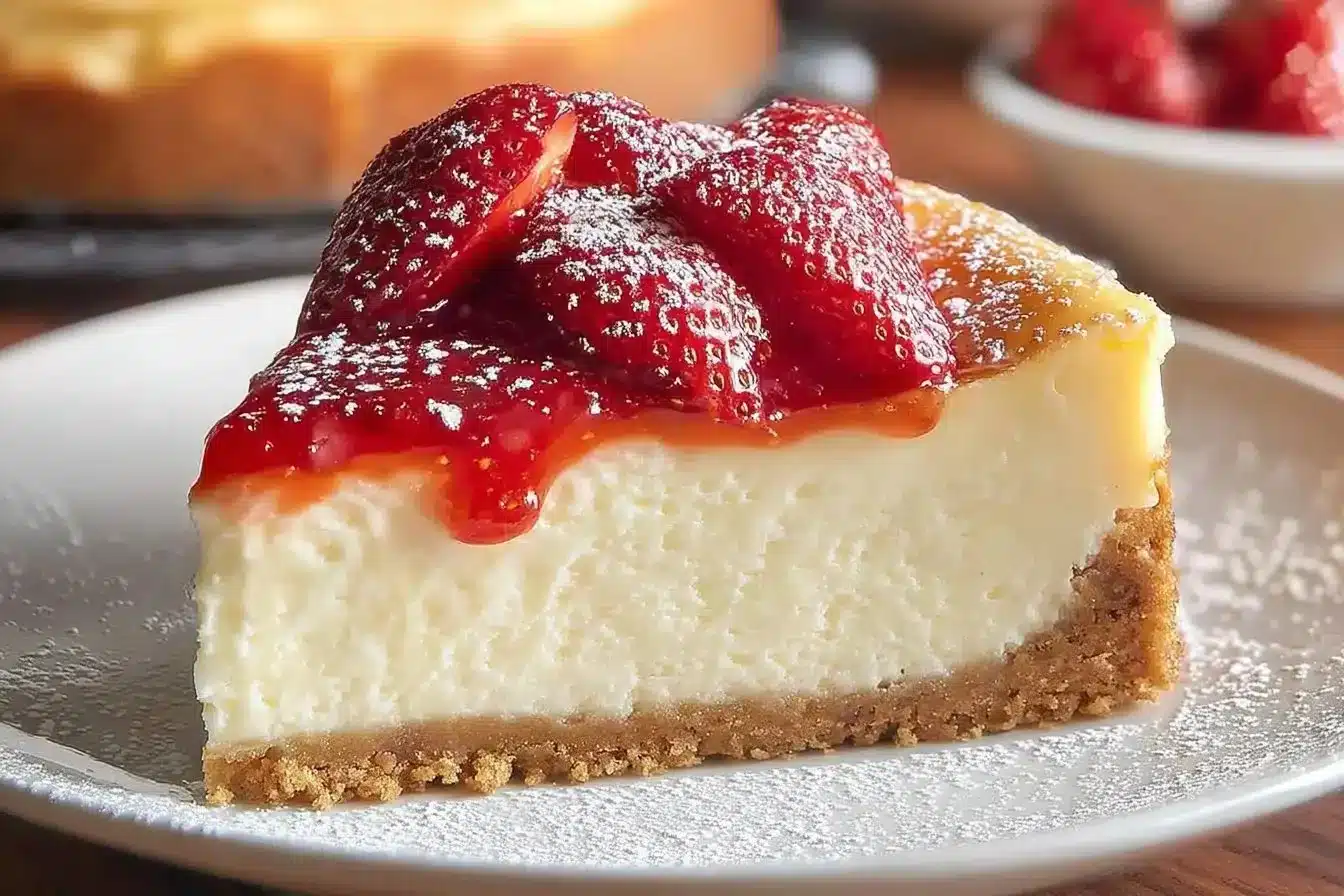
Simple Moist Yogurt Cake Recipe
Warm, citrus-scented crumbs and a tender, springy crumb make this yogurt cake irresistible. This yogurt cake is the one I make when I want something quick, unfussy, and reliably moist. After testing this recipe 8 times with different yogurts and pans, I settled on the balance below: 250 g (1 cup) plain yogurt, 200 g (1 cup) sugar, and 250 g (2 cups) all-purpose flour. The method is one-bowl and forgiving, so it’s an excellent choice for busy evenings or a relaxed weekend bake. If you like bright citrus or a simple glaze, you’ll find easy swaps and pro tips throughout to tailor it to your taste. Read on for the full recipe, precise timings, and troubleshooting tips to get it right every time.
Why This Recipe Works
- The yogurt provides both liquid and acid, which reacts with baking powder for a tender crumb and subtle tang.
- A moderate oil amount keeps the cake moist without making it heavy.
- One-bowl mixing reduces gluten development; do not overmix once flour goes in.
- Measuring flour by weight (250 g) prevents a dense cake from too much flour.
- A quick lemon zest brightens flavor without extra liquid that would change bake time.
Ingredients Breakdown
- Plain yogurt — 250 g (1 cup). Adds moisture, acidity, and a tender crumb. For a thicker texture, use Greek yogurt but expect a denser crumb; see substitution note below. (If your yogurt is watery, stir and drain briefly.)
- Granulated sugar — 200 g (1 cup). Balances tang and helps with browning.
- Eggs — 3 large. Provide structure and richness.
- Neutral oil (vegetable or canola) — 80 ml (6½ tbsp). Keeps the cake moist and shelf-stable. Olive oil gives a savory note if you prefer.
- All-purpose flour — 250 g (2 cups). Weight gives accuracy. For a lighter cake, replace 30 g (¼ cup) with cake flour.
- Baking powder — 10 g (2 tsp). Leavening for lift.
- Fine salt — 3 g (½ tsp). Enhances flavor.
- Vanilla extract — 5 ml (1 tsp). Rounds flavors.
- Lemon zest — from 1 medium lemon (optional). Adds bright aroma.
Substitutions with impact warnings: - Greek yogurt cake swap: Replace plain yogurt with 250 g Greek yogurt for a denser, tangier cake and reduce oil to 60 ml (4 tbsp).
- Sugar: Use 160 g (¾ cup) brown sugar for a deeper, caramel note; color and texture will change.
- Flour: For gluten-free, use a 1:1 GF blend and add ½ tsp xanthan gum; baking time may increase by 3–5 minutes.
Brand note: If you use kosher salt, use Diamond Crystal and measure by volume; Morton’s is denser — halve the volume if switching brands.
Essential Equipment
- 9-inch (23 cm) round cake pan, 5 cm (2 in) high — the batter volume fits this size; an 8-inch pan may overflow.
- Kitchen scale — for reliable dry-ingredient measures.
- Rubber spatula and whisk — one-bowl mixing is easier with these.
- Cooling rack — cools the cake evenly.
- Toothpick or cake tester — for doneness checks.
- Oven thermometer (optional) — home ovens vary; an oven thermometer helps maintain 180°C (350°F).
If you don’t have a scale, spoon and level flour into a measuring cup. If you lack a 9-inch pan, use a 10-inch pan and reduce bake time by 3–5 minutes.
Prep Time: 15 minutes · Cook Time: 35 minutes · Inactive Time: None · Total Time: 50 minutes · Servings: 8 (1 slice)
Step 1: Preheat and prepare the pan
Preheat the oven to 180°C (350°F). Grease the 9-inch pan and line the bottom with parchment, leaving an overhang for easy removal. This ensures an even crust and prevents sticking.
Step 2: Whisk wet ingredients
In a large bowl, whisk 250 g (1 cup) plain yogurt, 200 g (1 cup) granulated sugar, 3 large eggs, 80 ml (6½ tbsp) neutral oil, 5 ml (1 tsp) vanilla, and lemon zest until smooth, about 30–60 seconds. Whisking integrates the eggs and sugar for a uniform batter.
Step 3: Combine dry ingredients
Sift or whisk together 250 g (2 cups) all-purpose flour, 10 g (2 tsp) baking powder, and 3 g (½ tsp) salt in a separate bowl for 20–30 seconds. This evens out the leavening and prevents lumps.
Step 4: Fold dry into wet
Add the dry mixture to the wet in two additions. Fold gently with a rubber spatula until just combined — stop when no dry streaks remain, about 10–20 folds. Do not overmix — overworking develops gluten and makes the cake tough.
Step 5: Bake
Pour batter into the prepared pan and smooth the top. Bake at 180°C (350°F) for 32–38 minutes, rotating the pan once at 20 minutes. The cake is done when a toothpick inserted in the center comes out with a few moist crumbs and the top is golden, about 34 minutes for most ovens.
Step 6: Cool and remove
Cool the cake in the pan on a rack for 10 minutes, then use the parchment overhang to lift it out and cool completely on the rack. Cooling in the pan too long traps steam and softens the crust.
Step 7: Finish and serve
Once cool, dust with powdered sugar or brush with a simple lemon glaze (60 g powdered sugar + 10–15 ml lemon juice). Slice with a serrated knife and serve at room temperature. For a lighter presentation, serve with fresh berries.
Expert Tips & Pro Techniques
- Measure by weight: 250 g flour is more accurate than cups and prevents a heavy cake.
- Common mistake — overmixing: Fold gently; stop when flour disappears. Overmixing gives a chewy texture.
- Oven variability: Use an oven thermometer and rotate the pan at the halfway mark to avoid hot-spot browning.
- Make-ahead: Bake the cake up to 24 hours ahead, cool completely, wrap tightly, and keep at room temperature. Add glaze or dusting just before serving.
- Professional trick at home: Warm the yogurt to room temperature before mixing. Cold yogurt tightens the batter and can slow rise.
- Crumb improvement: For an airier crumb, separate eggs. Whisk whites to soft peaks and fold them in last for extra lift.
Storage & Reheating
- Refrigerator: Store wrapped tightly in plastic wrap or in an airtight container for 3–4 days. If glazed, keep in a shallow container to protect the finish.
- Freezer: The cake freezes well. Wrap slices individually in plastic and foil, and freeze up to 2 months. Thaw overnight in the fridge or on the counter for 1–2 hours.
- Reheating: Warm individual slices in a 175°C (350°F) oven for 6–8 minutes to revive freshness. Avoid microwaving for long — it can make the crumb gummy.
Variations & Substitutions
- Lemon Yogurt Cake (bright and classic): Add 2 tbsp lemon juice to the glaze and increase lemon zest to 2 lemons; keep the rest the same. Bake time unchanged. (Uses the phrase lemon yogurt cake.)
- Greek Yogurt Version (denser, tangier): Swap plain yogurt for 250 g Greek yogurt and reduce oil to 60 ml (4 tbsp). The crumb will be richer and slightly denser.
- Olive Oil & Honey: Replace half the sugar with 80 g (about ⅓ cup + 1 tbsp) honey and use extra-virgin olive oil for 80 ml (6½ tbsp). Expect deeper color and a savory note; bake time unchanged.
- Chocolate Yogurt Cake: Replace 30 g (¼ cup) flour with 30 g (¼ cup) unsweetened cocoa powder and add 40 g (3 tbsp) chocolate chips. Baking time increases by 2–4 minutes.
- Gluten-Free: Use a 1:1 GF flour blend (250 g) and add ½ tsp xanthan gum; baking time may increase by 3–5 minutes.
Serving Suggestions & Pairings
- With coffee: Serve warm slices with a bold espresso or a milky latte.
- With berries and cream: Top with whipped cream and fresh berries for brunch; pair with our lemon-raspberry meringue cheesecake for citrus harmony.
- Light dessert: Serve with a spoonful of Greek yogurt and a drizzle of honey.
- Afternoon snack: Pair with black tea and a jar of fruit preserves for a simple teatime spread — see crumb and cookie ideas in our Black Velvet Cheesecake Cookies post for a themed dessert table.
Nutrition Information
Per serving (1 slice — recipe makes 8):
- Calories: 310 kcal
- Total Fat: 14 g
- Saturated Fat: 2.5 g
- Cholesterol: 95 mg
- Sodium: 180 mg
- Total Carbohydrates: 41 g
- Dietary Fiber: 1 g
- Sugars: 20 g
- Protein: 6 g
Nutrition values are estimates. Actual values may vary based on specific ingredients and preparation methods.
Frequently Asked Questions
Q: Why did my cake turn out dense?
A: Most often due to overmeasuring flour or overmixing. Weigh flour and fold only until the dry streaks disappear.
Q: Can I make this without eggs?
A: Yes. Use a commercial egg replacer or 3 tablespoons of flaxseed meal mixed with 9 tablespoons water (letting it sit 5 minutes). Texture will be slightly more crumbly.
Q: Can I double this recipe?
A: Yes. Use two 9-inch pans or one 10–11-inch pan. If using two pans, bake 22–28 minutes; if one large pan, check for doneness after 30 minutes and add time as needed.
Q: Can I prepare this the night before?
A: Absolutely. You can bake the cake the night before, cool completely, and store at room temperature in an airtight container. Add glaze or powdered sugar just before serving.
Q: How long does this keep in the fridge?
A: Stored in an airtight container, the cake keeps in the fridge for 3–4 days. For best texture, bring to room temperature before serving.
Q: My top browned too quickly — what happened?
A: Your oven may be hot or the rack too high. Move the rack one position lower and use an oven thermometer. Tent loosely with foil if browning too fast.
Q: Can I add mix-ins like fruit or nuts?
A: Yes. Fold in 100–150 g (¾–1 cup) fresh berries or 75 g (½ cup) chopped nuts. For juicy fruit, lightly toss in 1 tbsp flour to prevent sinking.
Conclusion
This yogurt cake is a dependable, one-bowl favorite that adapts well to flavors and diets. For another reliable method and inspiration, see this Yogurt Cake Recipe – Cooking Classy which offers a slightly different ratio and glaze options. For background on the French-style yogurt cake and a warm essay on baking together, read Bonding Through Baking + The Recipe for French Yogurt Cake.
Print
Simple Moist Yogurt Cake
- Total Time: 50 minutes
- Yield: 8 servings 1x
- Diet: Vegetarian
Description
A quick, one-bowl cake that is unfailingly moist with a tender crumb, perfect for busy evenings or relaxed weekends.
Ingredients
- 250 g (1 cup) plain yogurt
- 200 g (1 cup) granulated sugar
- 3 large eggs
- 80 ml (6½ tbsp) neutral oil (vegetable or canola)
- 250 g (2 cups) all-purpose flour
- 10 g (2 tsp) baking powder
- 3 g (½ tsp) fine salt
- 5 ml (1 tsp) vanilla extract
- Lemon zest from 1 medium lemon (optional)
Instructions
- Preheat the oven to 180°C (350°F). Grease a 9-inch round cake pan and line the bottom with parchment paper.
- In a large bowl, whisk the plain yogurt, granulated sugar, eggs, neutral oil, vanilla extract, and lemon zest until smooth, about 30–60 seconds.
- In a separate bowl, sift or whisk together the all-purpose flour, baking powder, and salt for 20–30 seconds.
- Add the dry mixture to the wet ingredients in two additions, folding gently until just combined.
- Pour the batter into the prepared pan and smooth the top. Bake for 32–38 minutes or until a toothpick inserted in the center comes out with a few moist crumbs.
- Cool the cake in the pan on a rack for 10 minutes, then carefully remove it from the pan to cool completely.
- Once cool, dust with powdered sugar or brush with a simple lemon glaze before serving.
Notes
For best results, measure flour by weight. Avoid overmixing the batter to maintain a tender crumb.
- Prep Time: 15 minutes
- Cook Time: 35 minutes
- Category: Dessert
- Method: Baking
- Cuisine: American
Nutrition
- Serving Size: 1 slice
- Calories: 310
- Sugar: 20g
- Sodium: 180mg
- Fat: 14g
- Saturated Fat: 2.5g
- Unsaturated Fat: 11.5g
- Trans Fat: 0g
- Carbohydrates: 41g
- Fiber: 1g
- Protein: 6g
- Cholesterol: 95mg